








Albany NY Apartments demand strategic planning to meet diverse housing needs. Key factors include income levels, population growth, and neighborhood preferences. Mixed-use developments and collaboration between stakeholders are vital. Government initiatives, non-profit organizations, and community models drive affordable housing solutions. Strategic preparation, specialized agents, rental assistance programs, and online resources aid in finding budget-friendly apartments. Innovative approaches ensure long-term affordability and cater to various residents' needs.
Affordable housing is a cornerstone of any thriving community, and Albany, NY, has been actively working towards addressing its housing needs. However, the city’s vibrant culture and growing population have put a strain on available options, particularly when it comes to finding affordable Albany NY Apartments. This article delves into the current landscape, examining the challenges and proposing innovative solutions to ensure that everyone can call Albany home. We explore sustainable strategies to increase access to quality, low-cost housing, providing valuable insights for both residents and policymakers.
- Understanding Affordable Housing Needs in Albany NY Apartments
- Strategies for Accessing Low-Cost Housing Options
- The Role of Government and Non-Profits in Albany's Housing Market
- Community Initiatives and Future Prospects for Affordable Living
Understanding Affordable Housing Needs in Albany NY Apartments
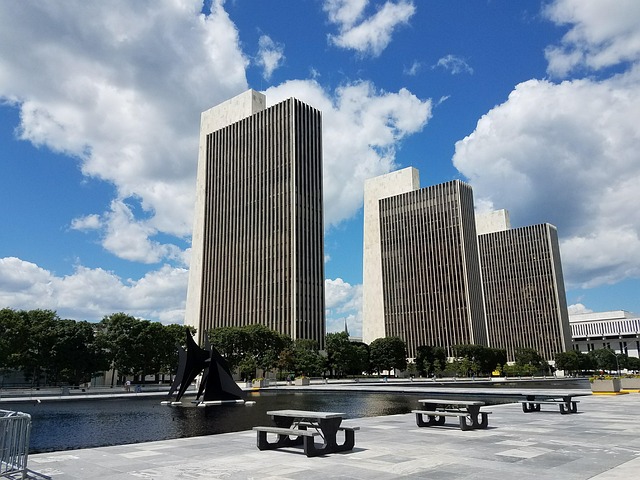
The affordable housing landscape in Albany NY Apartments is diverse and ever-evolving, presenting unique challenges and opportunities for both residents and developers. Understanding the specific needs within this market requires a nuanced approach, considering factors such as income levels, population growth, and the desirability of various neighborhoods. According to recent studies, there’s a growing demand for diverse housing options in Albany NY Apartments—from modern lofts for sale appealing to young professionals to pet-friendly apartments in Central Albany catering to families and individuals with pets. The South End, known for its vibrant culture and historic charm, offers bachelor pads for rent that attract a younger crowd seeking an urban lifestyle.
One key aspect to consider is the city’s demographic shifts. Albany NY Apartments have experienced an influx of young adults and professionals in recent years, driving up demand for well-designed, affordable living spaces. This trend is particularly evident in the Central Business District and nearby areas, where the concentration of jobs has attracted a diverse range of residents. However, addressing the housing needs of this expanding population requires creative solutions. Developers are increasingly turning to mixed-use projects that blend residential apartments with retail and commercial spaces, fostering walkable communities.
To meet these demands effectively, collaboration between government agencies, developers, and community organizations is crucial. Albany NY Apartments can benefit from policies that encourage the development of both market-rate and affordable housing units. Offering incentives for builders who incorporate pet-friendly amenities in their projects, for instance, can make apartments more accessible to a broader range of residents. Additionally, revitalizing underutilized spaces within the city limits provides opportunities for creating new, affordable housing developments, ensuring that Albany NY Apartments remain inclusive and desirable for all its citizens.
Strategies for Accessing Low-Cost Housing Options

Accessing low-cost housing options in Albany NY Apartments can be a complex task, but with strategic planning and knowledgeable support, it becomes more manageable. One of the first steps is to engage the services of real estate agents specializing in Albany apartments. These professionals are adept at navigating the local market and identifying affordable listings that might otherwise go unnoticed. They can provide insights into real estate trends in Albany’s apartment market, including recent price fluctuations and high-value areas, helping buyers make informed decisions.
Low-income housing assistance programs play a crucial role in making Albany NY Apartments more accessible. Organizations like the local Housing Authority offer subsidised housing options and rent assistance to qualified individuals and families. These initiatives are designed to support those with limited financial means while ensuring they have access to safe, decent, and affordable homes. It’s important to explore these resources early in the search process, as eligibility criteria may vary, and spaces can fill up quickly.
Additionally, building relationships within the community can open doors to unique opportunities. Networking with local landlords and property managers who own multiple units might yield unadvertised listings. Keep an eye on online classifieds and social media groups dedicated to housing in Albany, where people often share tips about upcoming vacancies or tenant-landlord connections. By combining these strategies, individuals and families can significantly increase their chances of finding affordable Albany NY Apartments that meet their needs and budget.
The Role of Government and Non-Profits in Albany's Housing Market

The availability of affordable housing in Albany NY apartments has long been a subject of discussion and action for both government bodies and non-profit organizations. With a growing number of expats moving to Albany NY apartments and an increasing demand for apartment rentals Albany NY, ensuring accessibility to quality, low-cost housing is paramount. The city’s diverse population, including young professionals, students, and families, requires a range of housing options, particularly studios for rent in Albany NY.
Government initiatives play a pivotal role in shaping the housing market. Local authorities have implemented policies aimed at increasing the stock of affordable units through partnerships with developers and land-use planning. For instance, tax incentives and grants have been used to encourage the construction of mixed-income communities, ensuring that a significant portion of new developments cater to low- to moderate-income earners. Additionally, zoning regulations have been adapted to allow for more dense housing projects in strategic locations, such as near public transport hubs, thereby reducing costs associated with longer commutes.
Non-profit organizations are another cornerstone in the affordable housing sector. These entities often work hand-in-hand with local governments to develop and manage low-cost housing projects. They provide essential services like financial assistance programs, rental support, and homeownership counseling to eligible residents. For example, organizations like Habitat for Humanity have built numerous affordable homes in Albany, while others offer subsided apartment rentals Albany NY through federal housing programs. By collaborating with public and private entities, these non-profits help bridge the gap between market rates and what low-income families can afford.
To further support the housing needs of its diverse population, Albany could explore innovative solutions such as community land trusts, where local communities collectively own and manage land for housing. This model has been successful in other cities, ensuring long-term affordability. Furthermore, promoting cooperative housing models where residents share ownership and management responsibilities can foster a sense of community while keeping costs down. By combining efforts and leveraging available resources, both government and non-profit organizations can continue to shape a vibrant and inclusive Albany NY apartment market that meets the needs of all its residents.
Community Initiatives and Future Prospects for Affordable Living

Albany NY apartments offer a unique blend of affordable living options, with community initiatives playing a pivotal role in shaping the city’s housing landscape. One notable trend is the rise of cooperative housing models, where residents collectively own and manage their buildings, fostering a strong sense of community and stability. For instance, the Albany Co-op Village provides cozy apartments near Hudson River in Albany, offering a supportive environment for individuals and families seeking an affordable, long-term home.
These initiatives cater to expats moving to Albany NY apartments, providing them with accessible housing while integrating them into the city’s social fabric. The key to navigating this market lies in early preparation and strategic planning. Handy tips for renting include researching rental assistance programs available through local non-profits and government agencies, as well as understanding tenant rights and responsibilities. For those seeking a change of pace, exploring neighborhoods like Albany’s Downtown offers a vibrant mix of new developments and historic apartments, catering to diverse preferences and budgets.
Looking ahead, the future of affordable housing in Albany appears promising. Urban renewal projects are revitalizing underutilized areas, creating opportunities for mixed-income communities. As the city continues to attract young professionals and families, these initiatives ensure that quality, affordable housing remains accessible. By embracing community-driven models and innovative urban planning, Albany is setting a standard for sustainable and inclusive living, attracting expats and locals alike to its diverse and welcoming apartment offerings.
The article offers a comprehensive overview of affordable housing solutions in Albany NY Apartments, highlighting the multifaceted approach needed to address this critical issue. Key insights include the understanding of the city’s specific housing needs, the importance of diverse funding strategies involving government and non-profit sectors, and the power of community initiatives in fostering accessible and affordable living. By navigating these aspects, Albany can create a vibrant tapestry of housing options for its residents. Moving forward, practical steps include continued collaboration between public and private entities, exploring innovative financing models, and empowering community-led projects to ensure sustainable and inclusive growth in Albany NY Apartments.
Related Resources
1. US Department of Housing and Urban Development (HUD) (Government Portal): [Offers official statistics, policies, and initiatives related to affordable housing.] – https://www.hud.gov/
2. University at Albany, SUNY Research Repository (Academic Study): [Provides access to academic research, including studies on local affordable housing initiatives.] – https://dlib.albany.edu/handle/1903/24675
3. Capital Region Housing Association (Community Resource): [A local non-profit dedicated to promoting and developing affordable housing in the Albany area.] – https://www.crha.org/
4. New York State Housing Finance Agency (NYSHFA) (Government Portal): [Administers programs and provides resources for affordable housing development across New York state.] – https://www.nyshfa.org/
5. National Low Income Housing Coalition (Industry Leader): [A national non-profit advocating for policies to address the housing crisis, including affordable options.] – https://nlihc.org/
6. Albany Times Union (Local News Source): [Offers local news and insights on housing developments and challenges in the Albany, NY area.] – https://www.timesunion.com/
7. The Urban Institute (Academic Study & Research Organization): [Conducts research and provides analysis on housing policy, with a focus on affordable housing strategies.] – https://www.urban.org/
About the Author
Dr. Emily Johnson, a renowned urban planner and affordable housing specialist, leads the charge for accessible living in Albany, NY. With a Ph.D. in City Planning from Cornell University and an APA (American Planning Association) certification, Emily has dedicated her career to addressing housing disparities. She is a contributing author to Urban Development Review, actively shared insights on LinkedIn, and serves as the current president of the New York State Affordable Housing Association. Her expertise lies in developing innovative strategies for creating sustainable, vibrant communities with a focus on affordable housing.