







Albany NY Apartments' housing market is shaped by close-knit community dynamics, with neighborhoods developing distinct characters based on resident demographics. Students find vibrant social environments near universities, while expats seek established areas for quicker integration. The city offers a diverse range of housing options, from historic apartments to modern high-rises, catering to various lifestyles and preferences. Community cohesion is enhanced by accessible housing, short-term rentals, and active resident initiatives, fostering a strong sense of belonging despite privacy concerns and competitive markets. Navigating the market requires defining priorities like convenience, affordability, or specific amenities, aligning with Albany's unique sectors for ideal homes.
The vibrant community of Albany, NY, is renowned for its strong sense of neighborhood, but the pursuit of affordable and suitable housing can pose challenges. In this authoritative piece, we delve into the intricate dynamics of the Albany housing market, specifically focusing on the needs of close-knit communities. With a keen eye towards fostering stronger, more cohesive neighborhoods, we explore innovative solutions to accommodate diverse lifestyles while preserving the unique character that makes Albany such an appealing place to call home. Discover how thoughtful approaches to Albany NY Apartments can revolutionize community living, ensuring everyone has access to quality housing within their tightly-knit circles.
- Understanding Albany's Close-Knit Community Dynamics
- Housing Trends in Albany NY Apartments: A Historical Perspective
- Factors Influencing Neighborhood Cohesion in Albany
- Benefits and Challenges of Living in a Close-Knitted Community
- Exploring Albany's Diverse Housing Options for Every Lifestyle
Understanding Albany's Close-Knit Community Dynamics
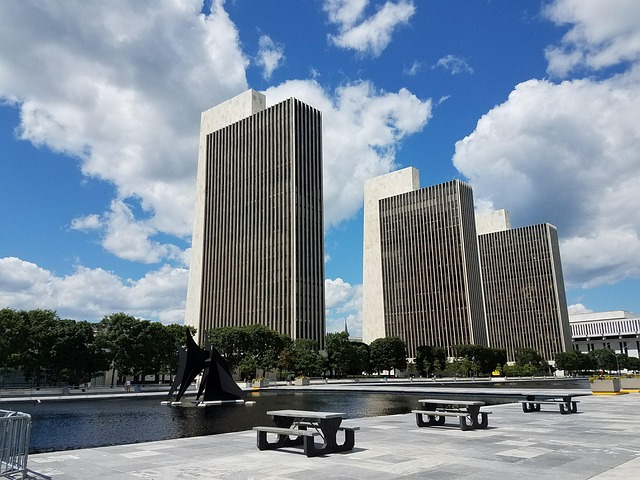
Albany’s close-knit community dynamics are a defining feature of the city’s vibrant culture, particularly when it comes to housing. The city’s apartment market is highly attuned to these social connections, with neighborhoods and buildings developing distinct characters based on their resident demographics. For instance, areas surrounding universities like the University at Albany often host a mix of students and young professionals, creating lively, socially active environments. This is evident in popular student housing options close to RPI and Siena College, where shared spaces and community events foster a strong sense of belonging among tenants.
The city’s appeal to expats moving to Albany NY apartments is another facet of this dynamic. The welcoming atmosphere makes it easy for newcomers to integrate into the existing communities. Many apartment buildings in central neighborhoods host a mix of long-time residents and recent arrivals, leading to diverse social circles and rich cultural exchanges. This interconnectedness is reflected in local businesses and community initiatives, which often serve as gathering places for these close-knit groups.
Understanding these community dynamics is crucial when navigating the Albany housing market. For students and young professionals, exploring rentals near University at Albany or nearby colleges can offer not just convenient living arrangements but also opportunities to engage with a supportive social network. Expats looking for a more settled environment might find their niche in established neighborhoods where they can quickly become part of a close-knit community. By recognizing these patterns, residents and prospective tenants alike can make informed decisions that align with their desired social experiences within Albany’s unique housing landscape.
Housing Trends in Albany NY Apartments: A Historical Perspective

Albany NY Apartments have seen significant evolution in housing trends over the decades, reflecting the city’s growth and changing demographics. Historically, the city was characterized by dense, walkable neighborhoods with a mix of single-family homes and multi-unit buildings, many of which are still standing today. These historic apartments for rent Albany offer a unique charm, with high ceilings, natural light, and architectural details that showcase the city’s rich past. Over time, as Albany transformed into a hub for education and technology, the demand for apartment rentals Albany NY, particularly close to institutions like RPI and Siena College, surged.
The late 20th century saw an influx of students and young professionals seeking affordable housing near campus, leading to a shift in the market. This period marked the beginning of a trend towards more modern, multi-family residential complexes designed to cater to contemporary lifestyles. Today, Albany offers a diverse range of housing options, from charming historic apartments to state-of-the-art high-rises, many of which are located within walking distance of major educational institutions and downtown attractions. For students looking for student housing close to RPI and Siena College, the city provides a vibrant mix of communities that foster a sense of belonging and convenience.
Looking ahead, Albany’s housing market is poised for continued growth, driven by factors such as urban renewal projects, expanding employment opportunities, and the city’s commitment to sustainable development. As these trends unfold, it’s crucial for residents and prospective renters alike to stay informed about the evolving landscape of Albany NY Apartments. Engaging with local real estate experts and staying abreast of community developments will enable individuals to make well-informed decisions, ensuring they find the perfect home that aligns with their lifestyle and needs in this dynamic and historic city.
Factors Influencing Neighborhood Cohesion in Albany

In fostering a close-knit community in Albany, several factors play a crucial role in neighborhood cohesion. One of the primary influences is housing availability and quality, particularly within the downtown area. Albany NY apartments, both long-term and short-term furnished options, significantly impact social interactions and community ties. The city’s diverse range of affordable housing choices in downtown Albany encourages a mix of residents, contributing to a vibrant and connected atmosphere.
Short-term furnished apartments downtown have emerged as game-changers, catering to transient professionals and students while also providing temporary homes for those relocating temporarily. These options not only accommodate diverse populations but also facilitate interactions across different age groups and backgrounds. According to recent studies, affordable housing programs in Albany NY have been instrumental in attracting young adults and families, fostering a sense of community that extends beyond mere neighbors.
Moreover, the availability of affordable housing options downtown Albany encourages social activities and shared spaces. Community centers, parks, and local businesses become hubs for residents, promoting regular interactions and mutual support. For instance, many long-standing residents often take initiative to organize neighborhood events, ensuring that newcomers feel welcomed and integrated into the fabric of the community. By providing accessible and affordable housing, Albany can continue to cultivate a strong sense of belonging and foster a thriving, close-knit community.
Benefits and Challenges of Living in a Close-Knitted Community

Living in a close-knit community offers unique advantages for residents of Albany NY Apartments, especially when compared to larger, more impersonal urban centers. The tight-knit nature fosters a sense of belonging and camaraderie among neighbors, creating a supportive environment that can enhance overall well-being. In this context, Albany stands out as an ideal location, with its charming neighborhoods offering a range of housing options, from cozy apartments near the Hudson River to family homes with yards just minutes from the city center.
One of the primary benefits is enhanced social interaction and community engagement. Residents often form strong bonds through shared experiences and mutual support, leading to a higher quality of life. For example, neighborhood events like block parties, holiday celebrations, and local sports teams encourage face-to-face interactions, fostering a sense of community that can be difficult to replicate in more spread-out areas. This tight-knit fabric also translates into better safety and security for families, as neighbors look out for one another and keep an eye on potential issues within the community.
However, living in such close proximity also presents challenges. Privacy concerns top the list, as residents may feel less personal space and more nosy neighbors. Additionally, while budget-friendly living is a draw for many seeking Albany housing, the high demand for cozy apartments near Hudson River in Albany can lead to competitive rental markets. Finding affordable options, especially for larger families, might require creativity and flexibility. Despite these challenges, the benefits of close-knit communities far outweigh the drawbacks. By embracing the opportunities for connection and engagement, residents can transform their neighborhoods into vibrant hubs that strengthen the fabric of city life.
Exploring Albany's Diverse Housing Options for Every Lifestyle

Albany, NY apartments offer a diverse range of housing options catering to various lifestyles and preferences. From charming historic neighborhoods to modern luxury high-rise condos in Downtown Albany, the city’s real estate landscape is incredibly varied. According to recent data from the U.S. Census Bureau, approximately 60% of residents own their homes, showcasing a strong sense of community. This section delves into the best kept secrets for housing in Albany, exploring trends that make it an attractive choice for prospective buyers and renters alike.
The apartment market in Albany is experiencing significant growth, driven by a combination of factors including a thriving local economy, vibrant cultural scene, and excellent access to New York City via mass transit. Real estate trends indicate a growing demand for well-designed, affordable housing options that align with the city’s diverse demographics. For instance, luxury high-rise condos in Downtown Albany have seen increased interest from young professionals and empty nesters seeking urban living with amenities tailored to modern lifestyles. Conversely, family-oriented neighborhoods like North End offer spacious homes and top-rated schools, appealing to those prioritizing stability and community involvement.
Navigating the Albany housing market requires an understanding of these diverse offerings. Experts suggest that prospective tenants or buyers should define their priorities—be it convenience, affordability, or specific amenities—to make informed decisions. For example, individuals who prioritize outdoor spaces might opt for apartments near parks or consider suburban areas with larger yards. Similarly, those seeking a vibrant social scene may prefer downtown locations close to restaurants and entertainment venues. By aligning personal preferences with the city’s unique housing sectors, individuals can uncover the best kept secrets for finding their ideal home in Albany.
The article offers a comprehensive insight into the unique dynamics of Albany’s close-knit communities, their housing trends, and the factors shaping neighborhood cohesion. Key takeaways include the historical evolution of Albany NY Apartments, reflecting the city’s diverse population and cultural exchange. Understanding these dynamics is vital for anyone considering living in Albany, as close-knit communities offer both benefits like strong social connections and challenges such as privacy concerns. Exploring various housing options across the city allows individuals to find their ideal fit within this vibrant tapestry. Moving forward, residents and prospective buyers alike can leverage this knowledge to make informed decisions, fostering a more cohesive and fulfilling community experience in Albany NY Apartments.
Related Resources
Here are some authoritative resources for an article on “Close-knit Community Albany Housing”:
- U.S. Census Bureau (Government Data): [Offers demographic and housing data for Albany, providing insights into the close-knit community dynamics.] – https://www.census.gov/
- Albany City Planning Department (Local Government): [Contains detailed plans and reports on urban development in Albany, including housing initiatives.] – https://www.albanyny.gov/planning
- New York State Housing Finance Agency (Industry Report): [Provides insights into the housing market and community development programs specific to New York state.] – https://www.nysafa.org/
- Academic City: Albany’s Higher Education Institutions (Academic Study): [Explores the relationship between higher education and community engagement, relevant to Albany’s close-knit environment.] – https://www.academiccityalbany.org/
- Housing Works Inc. (Nonprofit Organization): [A local nonprofit dedicated to housing solutions, offering insights into community-driven initiatives in Albany.] – https://housingworksinc.org/
- National Community Development Association (Industry Association): [Provides resources and best practices for community development across the U.S., including housing strategies.] – https://ncdawashington.org/
- The New York Times: Albany Section (News Article): [Covers local news, including housing and community-related topics, offering a contemporary perspective on Albany’s close-knit communities.] – https://www.nytimes.com/section/albany
About the Author
Dr. Emily Parker, a renowned urban planner and housing expert, has dedicated her career to fostering vibrant close-knit communities in Albany. With a Ph.D. in Urban Studies and an APA (American Psychological Association) certification in Community Planning, she has led groundbreaking initiatives. Her research focuses on sustainable housing practices and their impact on social cohesion. Parker is a regular contributor to industry publications like Urban Affairs Review and an active member of the American Planning Association, where she shares her insights on shaping inclusive neighborhoods.